Zahran Marble Zahran Marble

How to Restore the Original Color of Antique Marble at Home?

Time:2026-07-21 Author:Sienna
0%

Restoring the original color of antique marble is an art as much as it is a science. According to a report by the National Institute for Conservation, nearly 70% of antique marble suffers color loss due to neglect and improper cleaning methods. This makes understanding "How to restore the original color of antique marble" essential for preservation enthusiasts and homeowners alike.

Industry expert Dr. Emily Stone, a leading conservationist, states, “Always test your cleaning methods on a small area. Protecting the integrity of the marble is paramount.” This reflects the delicate balance needed in restoration efforts. Antique marble can reveal gorgeous hues beneath layers of dirt and fading. Yet, many approaches often overlook the nuanced techniques required to achieve a flawless revival.

Preservation is key for antique marble. The process of restoration involves gentle cleaning, polishing, and sealing. Yet not all methods yield successful results. Each piece of marble tells a story, and the road to restoration can present challenges. Developing a keen eye for detail and patience is essential. With the right approach, antique marble can once again shine in its original glory, inviting admiration and respect from all who encounter it.
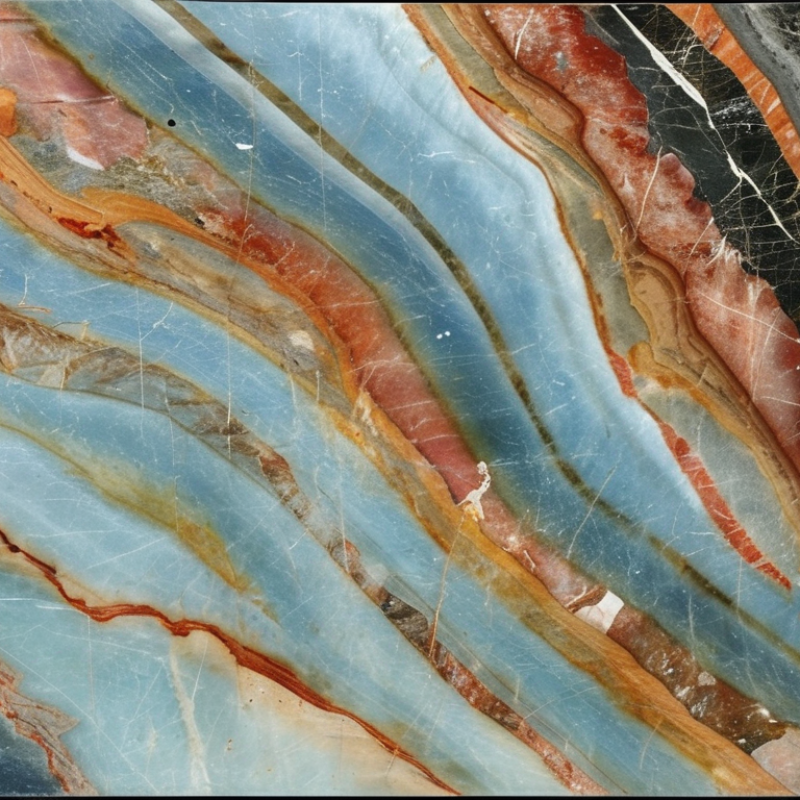
How to Restore the Original Color of Antique Marble at Home?

Understanding the Properties of Antique Marble and Its Original Color

Antique marble holds a unique charm, but its original color may fade over time. Understanding its properties is essential for effective restoration. Typically, antique marble consists of calcite and dolomite. These minerals can display a range of colors, including rich reds, deep blues, and vibrant greens. The original hues could be obscured by dirt, wax buildup, or damage.

To restore your antique marble, you must proceed with caution. Start by cleaning the surface with a soft cloth and a pH-neutral solution. Harsh chemicals may cause more harm than good. After cleaning, observe the surface. Uneven patches could indicate deeper issues that need attention. Sometimes, even the most diligent cleaning won’t reveal the original color.

Consider using a poultice for stains. This paste draws out impurities from the stone. It requires patience and is not always successful. Every piece of marble has a story and may respond differently to restoration attempts. If the color still seems muted, consulting with a stone care professional might be necessary. It's challenging to achieve a perfect restoration, but preserving the marble’s integrity is crucial.

Assessing the Condition of Your Antique Marble Surface

Assessing the condition of your antique marble surface is essential before any restoration work. Start by closely examining the surface for stains, scratches, and discoloration. Look for any dull patches, as these indicate areas needing attention. Pay attention to any chips or cracks, as they can affect the marble's overall integrity. Sometimes, these imperfections signal deeper issues that require professional assistance.

Consider conducting a water test to evaluate the marble’s porosity. Drop some water on the surface and observe how quickly it absorbs. If the water sits and beads up, the seal may be intact. If it absorbs quickly, the marble might need sealing. Document your findings; this record will guide your restoration efforts. Remember, restoring antique marble is an art. It's not always perfect, and some characteristics may remain after treatment. Embrace these unique features, as they tell a story. Each blemish has its history, contributing to the marble's character.

How to Restore the Original Color of Antique Marble at Home? - Assessing the Condition of Your Antique Marble Surface

Condition Assessment Description Recommended Treatment
Minor Stains Surface stains from spills or dirt accumulation. Use a mixture of warm water and mild soap to clean.
Faded Color Loss of original vibrancy due to UV exposure. Apply a marble polishing compound to restore luster.
Etching Marks Visible marks from acidic substances. Buff with a specialized etch remover and re-polish.
Cracks and Chips Physical damage affecting appearance. Fill with a marble repair kit and polish for a smooth finish.
Deep Scratches Severe scratches that require more intensive treatment. Use a diamond honing pad to level the surface.

Gathering Necessary Supplies for Restoration at Home

Restoring antique marble can be a rewarding project. Start by gathering your supplies. This includes pH-neutral soap, a soft brush, and a clean cloth. According to the National Park Service, avoiding acidic cleaners is crucial. They can damage the marble's surface.

You’ll also need a specialized marble polishing compound. Look for products that contain fine abrasives. These help restore shine without causing scratches. The Marble Institute of America emphasizes the importance of using safe materials. Using the wrong products could lead to discoloration.

Finally, don't forget to have protective gear. Gloves and safety goggles are essential, even when using mild products. It's easy to overlook safety, but it's vital for a successful restoration. Remember, your antique marble carries history. Treat it with care and respect for the best results.

Step-by-Step Cleaning Techniques for Antique Marble

Restoring antique marble can be a rewarding yet challenging task. Start by gathering your supplies. You will need pH-neutral soap, warm water, a soft cloth, and a microfiber towel. These materials are essential to avoid damaging the surface.

Begin with a gentle wash. Mix a few drops of soap in warm water. Dip the cloth into this solution and wring it out. It should be damp, not soaking. Wipe the marble surface carefully, ensuring not to use too much pressure. Rinse the cloth in clean water frequently. This helps remove dirt without adding more scratches.

After cleaning, dry the surface with a microfiber towel. Paying attention to detail is crucial at this stage. If the color still appears dull, consider using a marble polishing powder. Follow the instructions carefully. Polishing can enhance color but requires cautious application. Test a small area first. Remember, patience is key. Restoring marble is often about trial and error. Don’t rush. Each step reveals the beauty beneath the surface.

Restoration Efforts on Antique Marble Colors

Applying Protective Sealer to Preserve Restored Marble Color

Restoring the original color of antique marble can be rewarding yet challenging. Once you've cleaned your marble surfaces, applying a protective sealer is crucial. This sealer acts as a barrier against stains, moisture, and other damaging elements. According to a 2021 industry report, marble treated with a quality sealer can maintain its restored appearance for longer, significantly reducing discoloration.


Tips for applying a protective sealer are simple but effective. Ensure the surface is completely dry before application. This prevents trapping moisture under the sealer. Use a soft cloth or foam applicator for even coverage. Allow the sealer to cure as per manufacturer guidelines to ensure optimal protection. Remember, not all sealers are alike. Some are designed for high-traffic areas, while others are suitable for decorative pieces.


Marble can be sensitive. Even with a sealer, avoid harsh chemicals. Regular upkeep is vital. Clean your marble gently with pH-neutral solutions. This can help maintain both the color and integrity of the stone. Remember, perfect results may not happen immediately. Be patient and observe your marble's response to restoration efforts.

FAQS

: How does antique marble's original color change over time?

: Antique marble's original color may fade due to dirt and damage. Restoration is essential to reveal beauty.

What should I use to clean antique marble safely?

Use a soft cloth with a pH-neutral soap solution. Avoid harsh chemicals that can harm the surface.

What is a poultice, and how can it help?

A poultice is a paste used to draw out stains. It requires patience and may not always work effectively.

What supplies do I need for marble restoration at home?

Gather pH-neutral soap, a soft brush, clean cloths, and a polishing compound. Safety gear is also important.

Why is safety gear necessary during restoration?

Gloves and safety goggles protect you from potential risks, even with mild products. Safety should never be overlooked.

How can I test if my marble needs polishing?

If the color appears dull after cleaning, consider polishing. Always test a small area first to avoid damage.

Why is patience important in marble restoration?

Restoring marble often involves trial and error. Rushing can lead to mistakes, impacting the final results negatively.

Can I use acidic cleaners on antique marble?

No, acidic cleaners can damage the marble. Stick to pH-neutral options for safe cleaning.

What if my restoration efforts don't reveal the original color?

If color remains muted, consult a stone care professional. Achieving perfect restoration is often unrealistic.

How can I best preserve antique marble's integrity?

Treat the marble with care and respect. Follow proper cleaning and restoration techniques for lasting results.

Conclusion

Restoring the original color of antique marble can be a rewarding project for homeowners looking to enhance the beauty of their vintage surfaces. To begin, it is essential to understand the unique properties of antique marble and identify its original color, which may require assessing the current condition of the stone. Gathering necessary supplies, such as gentle cleaning agents and protective sealers, is crucial for the restoration process.

The step-by-step cleaning techniques involve careful washing and polishing, ensuring that the integrity of the marble remains intact. After successfully restoring the marble’s color, applying a protective sealer will not only enhance its aesthetic appeal but also preserve the restored color for years to come. Following these guidelines on how to restore the original color of antique marble at home will help maintain the elegance and charm of these timeless pieces.

Sienna

Sienna

Sienna is a skilled marketing professional with a deep expertise in our company’s core products and services. With a passion for innovation and detail, she plays a pivotal role in crafting insightful blog posts that not only highlight the unique features of our offerings but also provide valuable......